
The United Nations Education, Scientific and Cultural Organization works tirelessly to
preserve the heritages of cultures both past and present, as they oversee 1,154
World Heritage Sitesthroughout 167 countries. From Ecuador’s majestic Galápagos
Islands to India’s awe-inspiring Taj Mahal, these UNESCO landmarks are renowned
for their history and beauty. Tragically, however, there are several whose status is at risk.
Whether because of natural disasters, armed conflict, or rapid urbanization, the future
of 52 World Heritage Sites is far from certain. While UNESCO will undoubtedly do
everything to ensure these places remain for future generations, there’s no time like
the present to witness them for yourself. We’ve rounded up a mix of deeply important
and stunning UNESCO sites to visit before they potentially disappear for good.
1. Everglades National Park, Florida, US
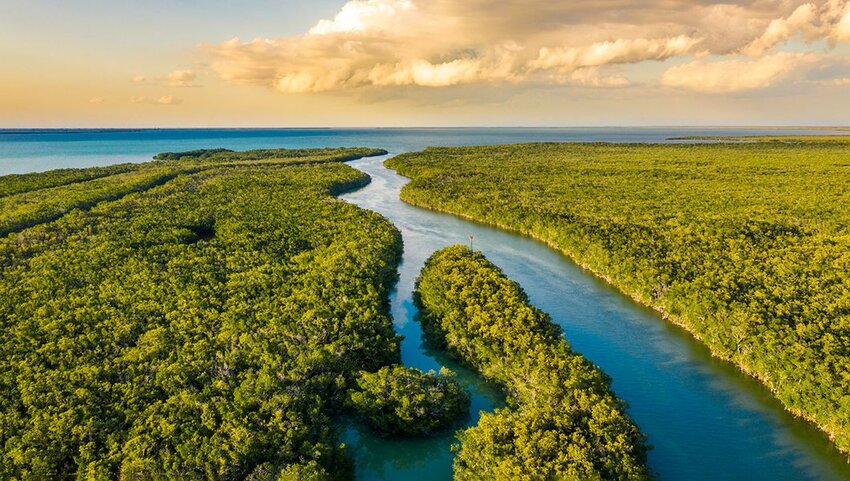
From its crystalline beaches to nonstop nightlife, Florida is an undeniable tourist Mecca.
But throughout the entire Sunshine State, nothing is more alluring than its unparalleled
biodiversity, best exemplified by the Florida Everglades. These 1.5 million acres of lush
wetlands are truly unlike anywhere else in the world, serving as the largest subtropical
wilderness in North America and combining a vast array of nine distinct ecosystems,
from coastal lowlands to broadleaf forests. On top of its geographic beauty, the
Everglades are the only place on Earth where crocodiles and alligators coexist,
alongside the national park’s 39 endangered or threatened species, which famously
includes the elusive Florida panther.
2. Historic Centre of Vienna, Austria
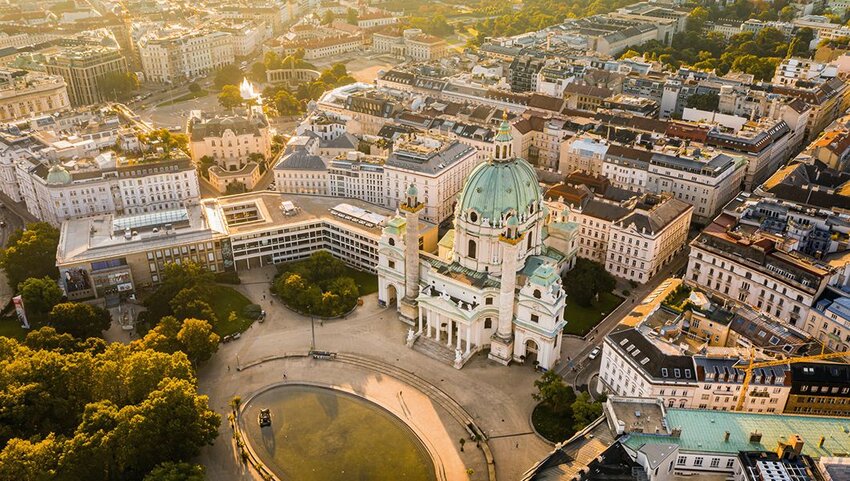
The idea of taking a trip to the Historic Centre of Vienna is music to anyone’s ears.
The Austrian capital city has long served as the center of classical music , earning it
the nickname “City of Music” and once being where both Beethoven and Mozart called
home. Vienna’s cultural significance extends into the world of architecture as well,
as the downtown boasts breathtaking palatial examples of the Baroque style —
highlighted by marble, stucco, and gilded decor as well as countless frescoes
— including sites like Belvedere Palace and State Hall of the National Library.
3. Okapi Wildlife Reserve, Democratic
Republic of the Congo
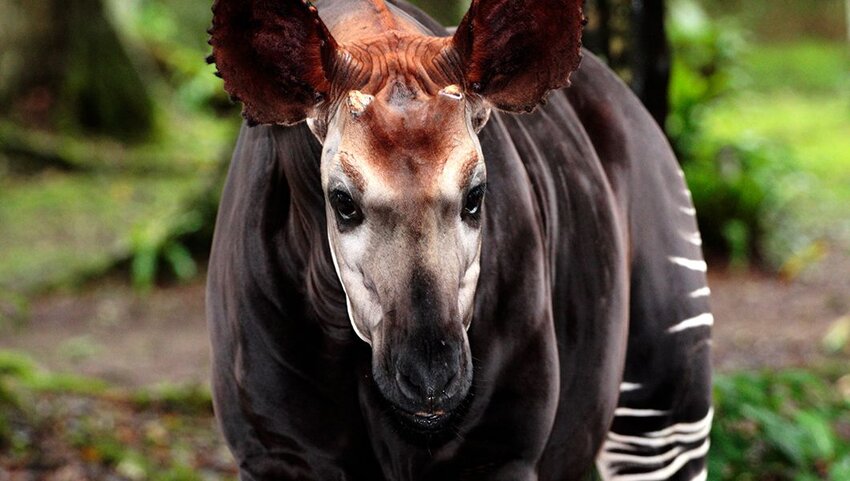
Once mistaken for being some sort of mythical “African unicorn,” the okapi is a legendary
animal and key part of the continent’s culture. Sadly, only 30,000 remain in the wild.
Of the remaining population, 5,000 wander the wilderness at the Okapi Wildlife Reserve,
located within the Ituri forest of the Democratic Republic of the Congo. Along with okapi,
keen nature lovers can witness countless additional threatened species of primate and
birds that exist within the refuge's borders.
4. Old Towns of Djenné, Mali
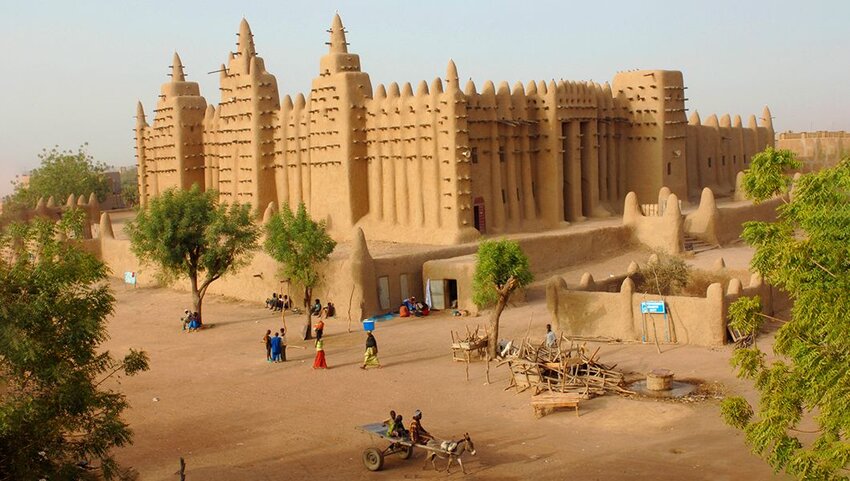
Steel and concrete are but figments of the imagination in the Old Towns of Djenné, Mali,
as the region is revered for its traditional mud houses — of which nearly 2,000 remain
— that date back to 250 BCE when Djenné was first inhabited. Though Djenné is now
far removed from its prime as a bustling economic hub during the 15th and 16th century
trans-Saharan gold trade, the city’s mud villages make it seem as if visitors have been
transformed back to that historic era. The people of Djenné are so invested in
maintaining their heritage that every April, residents gather during an event called
Crépissage (which translates to plastering) in which they work to reconstruct the city’s
Grand Mosque — the largest mud-brick structure anywhere in the world. Due to
political instability and insecurity, however, Malian cities like Djenné and the nearby
Timbuktu have found themselves at risk because of the lack of governmental
protections. But given these towns have survived for millennia thus far, they’ll
hopefully stand for many more.
5. Tropical Rainforest Heritage of Sumatra, Indonesia
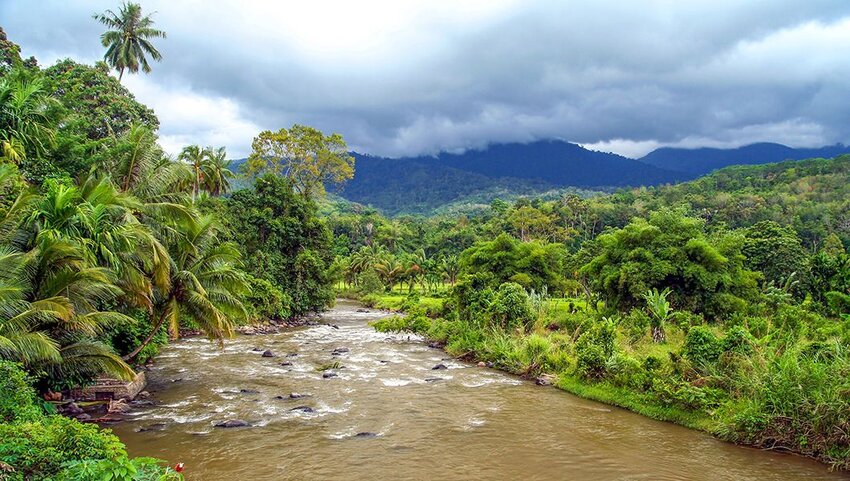
A common theme within this roundup are sites that showcase stunning biodiversity,
but such natural beauty often falls victim to various agricultural industries. The
tropical rainforests of Sumatra, Indonesia, are no different, and have been susceptible
to extensive harmful logging practices in recent decades. Despite such concerns,
the Sumatran rainforests can still proudly claim to be the only place on earth where
tigers, rhinos, orangutans, and elephants coexist, with those animals surrounded
by an estimated 10,000 plant species that offer researchers insight into how the
island evolved bio-geographically. Some pessimistic estimates believe the
rainforests could disappear by the 2030s, so don’t miss out on the opportunity
to visit and immerse yourself in the unique natural landscape of Indonesia
before they’re gone.
7. Tombs of Buganda Kings at Kasubi,
Uganda
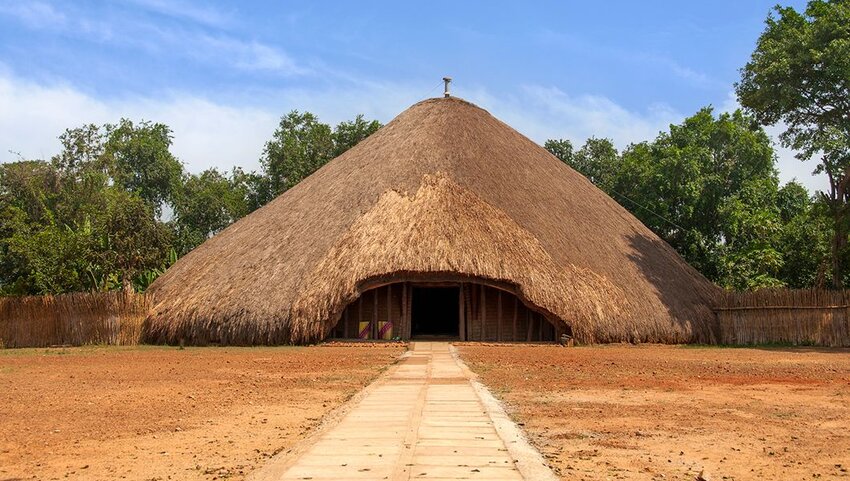
Some endangered UNESCO sites are at risk due to freak events which simply could
not have been prevented. Among those sites are the Tombs of Buganda Kings at Kasubi,
Uganda, which were partially destroyed by fire in 2010. The original domed structure
dates back to 1882, and the area holds extreme religious and spiritual significance for
locals given it serves as the burial place of four Ugandan kings. The original dome also
represented a stunning architectural achievement that utilized organic elements to craft
a revolutionary structure that stood for over a century. Despite the tragedy that befell
the site, the tomb’s inner sanctum remained largely intact, and ongoing preservation
efforts worked to finally restore the dome in 2022. The risk of fire still remains, but
despite these concerns, the tombs remain a holy site within Ugandan culture and
can hopefully offer a moment of spiritual enlightenment to any who choose to come
and pay their respects.
8. Medieval Monuments in Kosovo
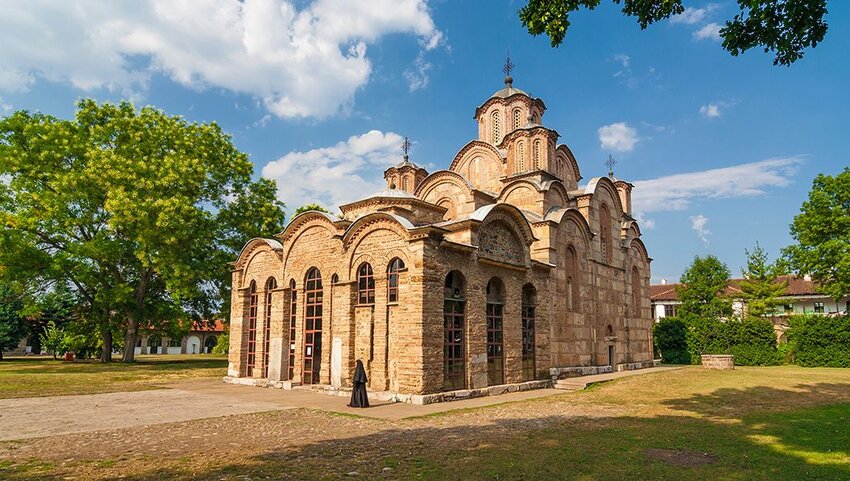
The Kosovo region has been torn apart by war and instability, but through it all,
centuries-old monasteries and churches have withstood the test of time to help preserve
the country’s Serbian heritage. Throughout Kosovo exist four Medieval monuments
which reflect unique artistic and spiritual elements from a combination of Orthodox
Byzantine culture and Western Romanesque traditions. From the 14th-century era
Church of the Holy Virgin of Ljevisa to the Dečani Monastery, these buildings showcase
many religious frescoes as well as well-maintained surrounding gardens, offering
a peaceful experience in an often chaotic and uncertain area.


 Modern scholars say this egalitarian heritage is one reason why the Philippines consistently ranks high in gender equality, even compared to wealthier Asian nations.
 Colonization introduced patriarchal systems, but traces of this early equality still shape Filipino gender dynamics today.


No comments:
Post a Comment