
From My Travel Reading This Week!
You’ve no doubt heard of, and even visited, UNESCO World Heritage Sites around the world, but did you know that UNESCO protects more than just places? UNESCO, which stands for United Nations Educational, Scientific, and Cultural Organization, also works to preserve languages, music, festivals and cultural traditions around the world. Here are 10 things you probably didn’t realize were UNESCO protected.
1. Carnival of Granville, France
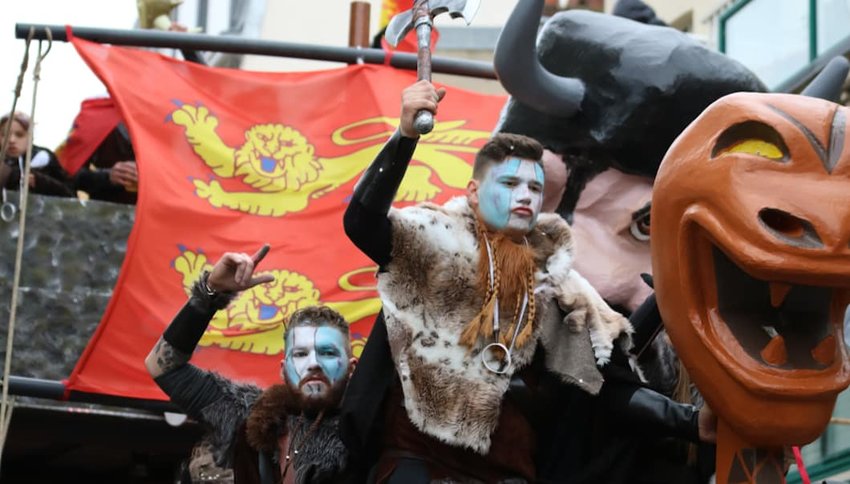
Part music festival, part parade and part costume party, the Carnival of Granville is
Normandy’s largest and most important event, celebrating 145 years in 2019.
This lively event takes place during the five days that precede Shrove Tuesday and
was originally developed as a way for cod fisherman to celebrate before heading off
to sea. The Carnival of Granville has been on the UNESCO list since 2016 and
attracts more than 100,000 people annually.
2. Wititi Dance of the Colca Valley, Peru
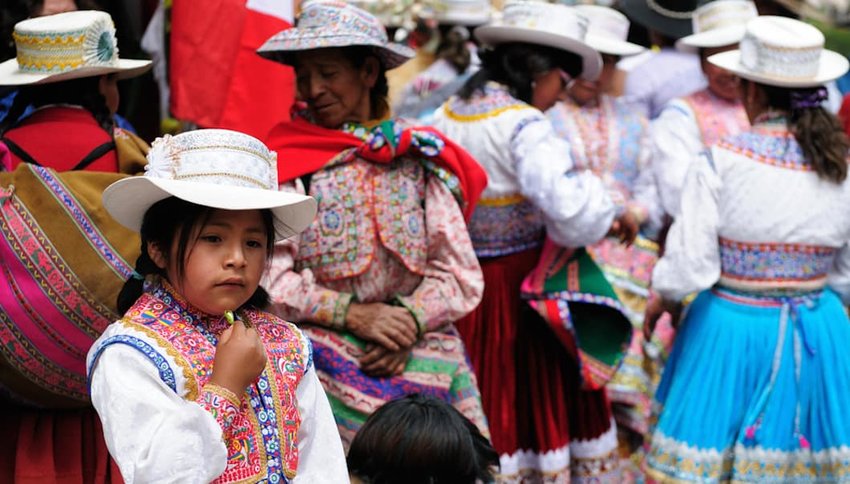
To experience the Wititi Dance, you must head to the Arequipa region of Peru, where
it is taught in school and performed by both boys and girls to symbolize the start of
adult life. This colorful, vibrant dance is widely performed in the Colca Valley and
takes the form of an elaborate courtship ritual. In fact, the name of the dance translates
to “making love.” UNESCO recognized the dance in 2015, and July 14th is now
known throughout the region as the Day of Wititi Dance.
3. Kimjang: Making Kimchi in Korea
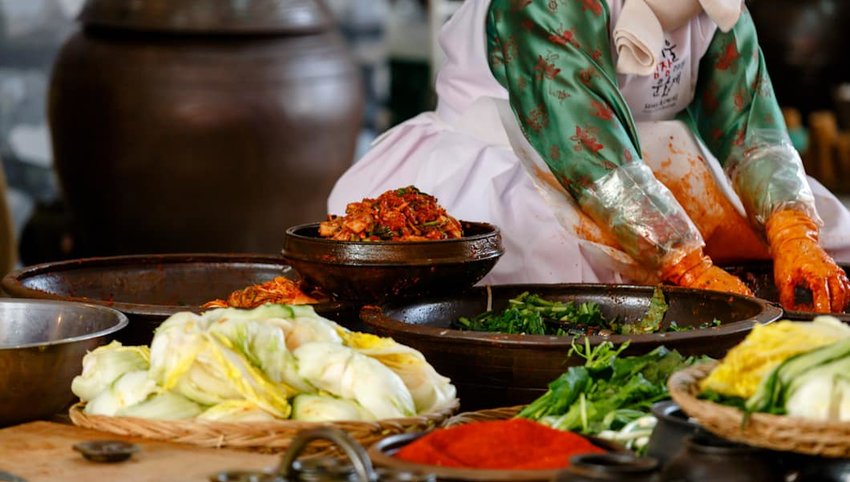
Kimchi is a staple in Korean cuisine and has become a popular side dish in the U.S.
in recent years. It's made by fermenting vegetables, especially cabbage and Korean
radishes, with a variety of spices and seafood. This unique dish forms an essential
part of Korean meals, while also strengthening community and reaffirming Korean
identity. Kimjang refers to the art of preparing and sharing kimchi in the autumn so
that every family has enough to last through the winter. Specific methods for making
Kimchi are followed during Kimjang, and there are differences between regions and
even households, where the recipes are passed down through generations.
UNESCO listed Kimjang on its Intangible Cultural Heritage list in 2013.
4. Mariachi Music, Mexico
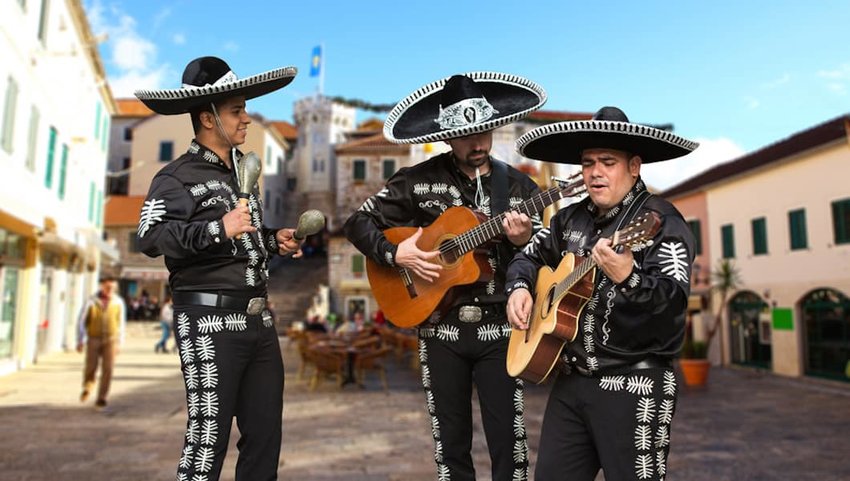
No other music captures the sound of Mexico quite like the vibrant beat of a Mariachi
band. Mariachi music dates back to at least the 18th century and usually features violins,
trumpets and at least one guitar. Performers wear elaborate charro outfits and play
upbeat tunes with hints of jazz, minuets, polka and traditional folk music. Mariachi
performers primarily learn by ear, and the skill is often passed down through families.
Mariachi was recognized by UNESCO in 2011.
5. Khon Masked Dance Drama, Thailand
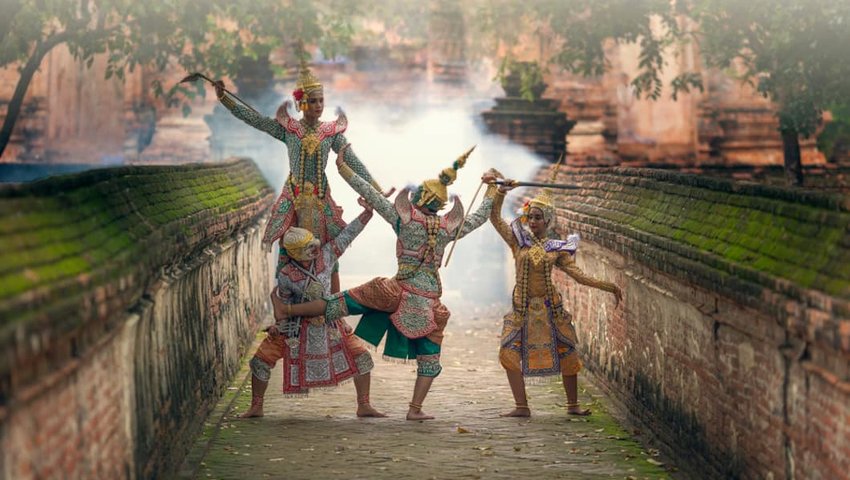
The Khon Masked Dance Drama is a beautiful and enchanting art that combines
elements of sacred rituals, handicrafts, music, theater, dance and literature. Khon
performances are based on tales of the Ramakien, Thailand’s national epic, and
feature heroes and heroines, ogres and monkeys. Performers begin training at an
early age, as they must be graceful dancers, as well as actors and musicians.
Khon was once only performed in high courts, but performances are now widespread.
UNESCO recognized the art of Khon in 2018.
6. Beer Culture in Belgium
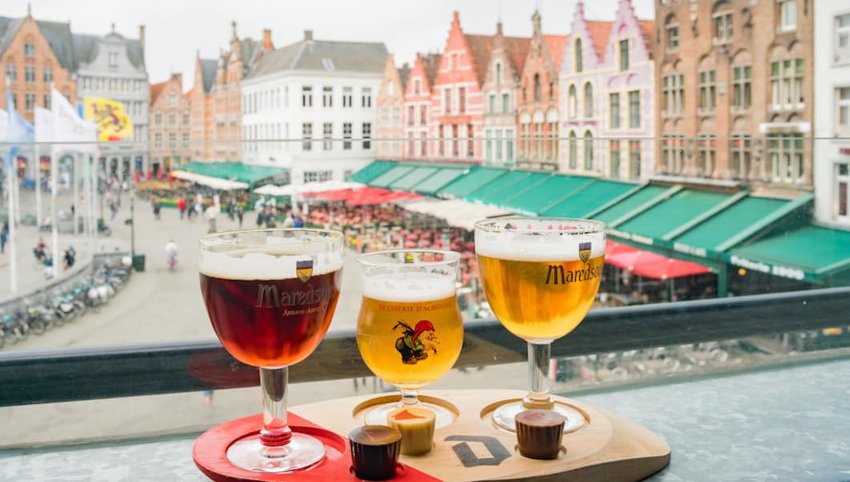
If you’ve ever visited a pub in Brussels, you’re already well aware of the cultural and
historical roots that beer has in Belgium. Not only is beer an important part of the
Belgian diet, but it also an integral part of social gatherings, where most everyday
activities either start or end with a hearty draft. Belgium contains more diversity in
beer styles than anywhere else in the world, and traditional small-batch recipes
are passed down through families and small breweries across many generations.
The beer culture in Belgium was officially added to UNESCO’s Intangible
Cultural Heritage of Humanity in 2016.
7. Falconry
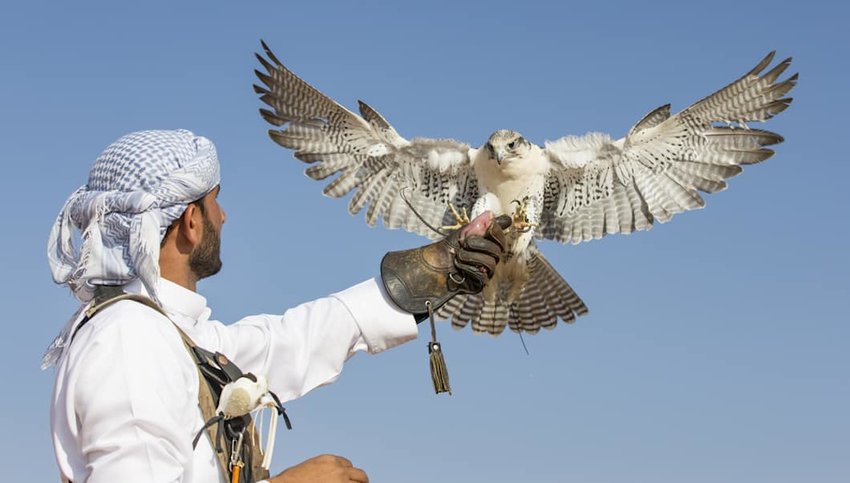
UNESCO considers Falconry a living human heritage and added this ancient hunting
technique to its list in 2016. Falconry has been practiced for centuries in many parts
of the world, including much of Europe and the Middle East. The traditions of falconry
vary, but there is no doubt that the practice provides a strong connection to conservation,
cultural heritage and the human-animal bond.
8. Yoga in India
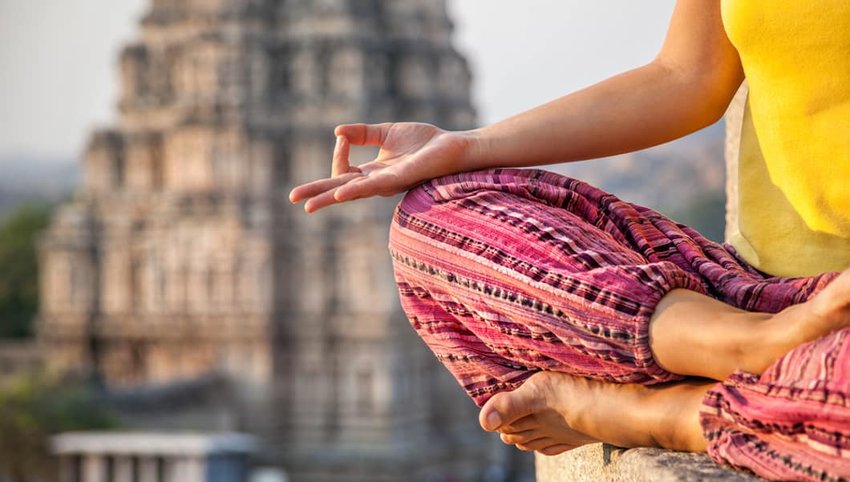
Yoga is an ancient Indian tradition that has been practiced for millennia, and while it
has since spread around the world, UNESCO recognizes the philosophy and practice
of yoga as an important connection to Indian history and culture. Yoga combines
physical postures with mental and spiritual practices that include meditation and
breathing techniques. Yoga is practiced by all Indian religions, genders, classes
and ages, and uses a variety of methods and disciplines.
9. Chinese Shadow Puppetry
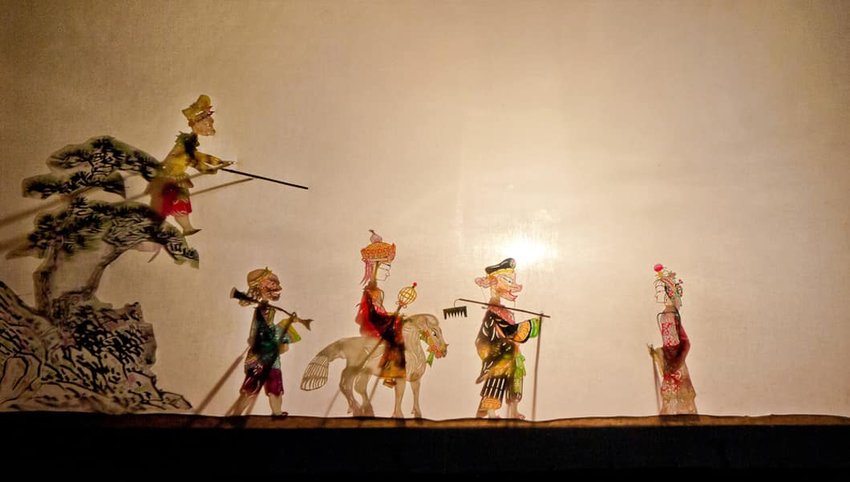
The art of shadow puppetry in China developed more than 2,000 years ago. It's an
elaborate theatrical performance that combines the art of cut paper or leather with
music and singing. Puppeteers manipulate puppets with rods and their shadows are
projected on a translucent screen. In addition to maneuvering many puppets at once,
puppeteers must also practice improvisational singing and play various musical
instruments. Puppetry skills are taught in families through apprenticeships, and in
troupes, and the art preserves oral traditions and cultural beliefs.
Chinese shadow puppetry has been recognized by UNESCO since 2011.
10. The Tango in Argentina and Uruguay
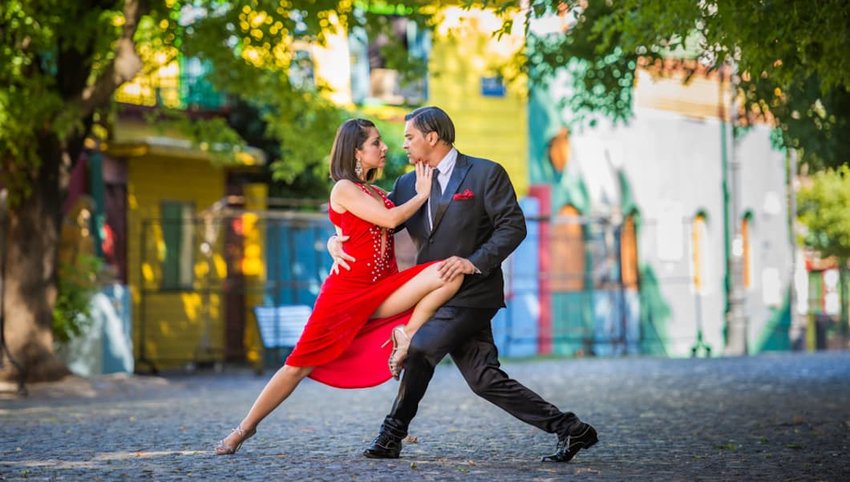
The tango originated on the border of Argentina and Uruguay in the 1880s — a mash-up
of several dance techniques, including the Polka, Mazurka and Habanera, with
influences from Africa, Europe and Native American culture. While it began in poor
urban neighborhoods, a tango craze quickly spread to Europe and North America.
The festive music and dance of the tango have come to embody cultural diversity
and community. Tango is often used to represent the national heritage in both
Argentina and Uruguay and was listed on the UNESCO Representative List
of the Intangible Cultural Heritage of Humanity in 2009.
About the author: Tara Schatz | Writer for The Discoverer

 Salinity Difference – The Pacific is saltier, while the Arctic has lower salinity due to melting ice. Temperature Variation – The Pacific is warmer, while the Arctic remains near freezing.


No comments:
Post a Comment