
Your first trip to Europe should be an exciting time, not something to over-stress about. Although many European countries have a lot of similarities to the United States, there are still some cultural differences to be aware of. If it’s your first trip, there may be things you haven’t considered. From crowded tourist traps to etiquette errors, check out the following nine tips about what to avoid during your first trip to Europe.
1. Passport Denial
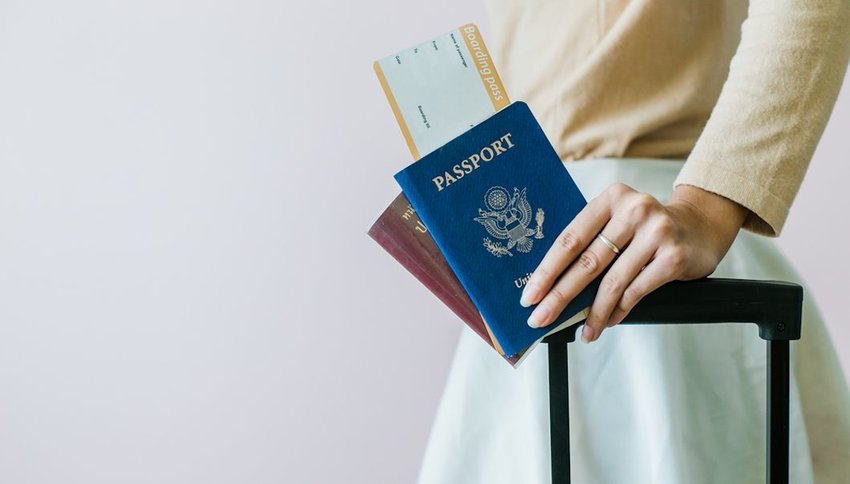
It’s a no-brainer that you need a passport to travel abroad, but did you know some
European countries have rules and limits? Even if your passport isn’t expired yet,
you could still be turned away by border security. In some countries, a passport
must be valid for at least three or six months after your intended travel date. If your
passport expires in two months at the time of travel, for example, you might not be
able to board your plane. Popular destinations with such rules include Italy, Spain,
Greece, and France. Refer to the U.S. Department of State for more details.
2. Taking a Cab
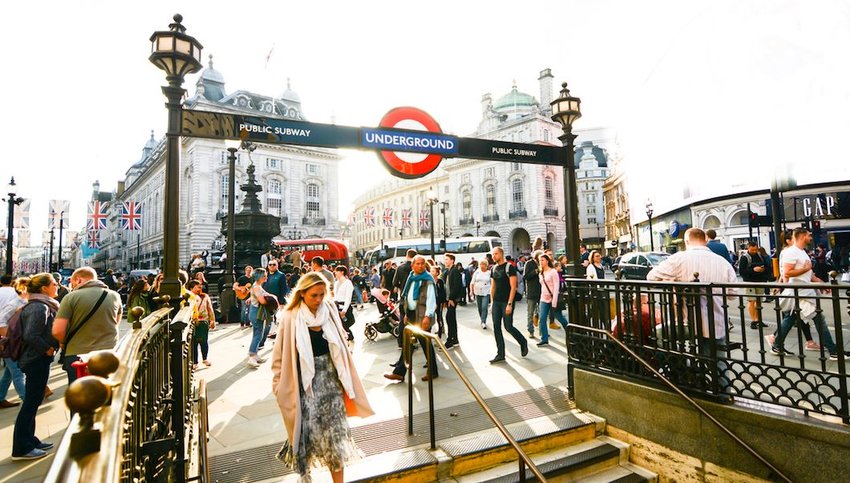
While Americans flock to cabs and ride-sharing alternatives such as Uber and Lyft,
most European cities have very reliable public transportation. Take some time to
research your options before you arrive since you might be able to save a lot of
money by opting for a train, subway, tram, or local bus.
European cities are also usually very walkable, so if you can, save even more
money and just walk to your destination. Staying in a central location downtown
is also a great way to save money on transportation fees.
3. Tipping Blunders
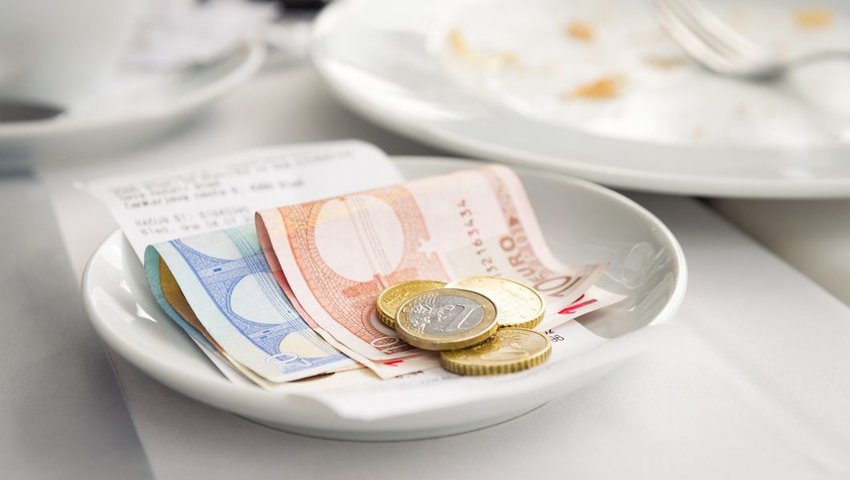
The tipping culture is huge in the United States, but following the same rule could get
you in trouble abroad. Tipping etiquette varies by country, but typically a 10 to 15%
service charge is already added to your final bill. You aren’t expected to pay an extra
tip unless the service was incredible — then you can add a few extra euros. Do not
tip 20% as you would in the U.S. It'll save you money. If a service fee isn’t included
and you aren’t sure if you should tip or not, giving a 5-10% cash tip is a good rule
of thumb. When in doubt, ask a local for standard tipping etiquette.
4. Crowds and Tourist Traps
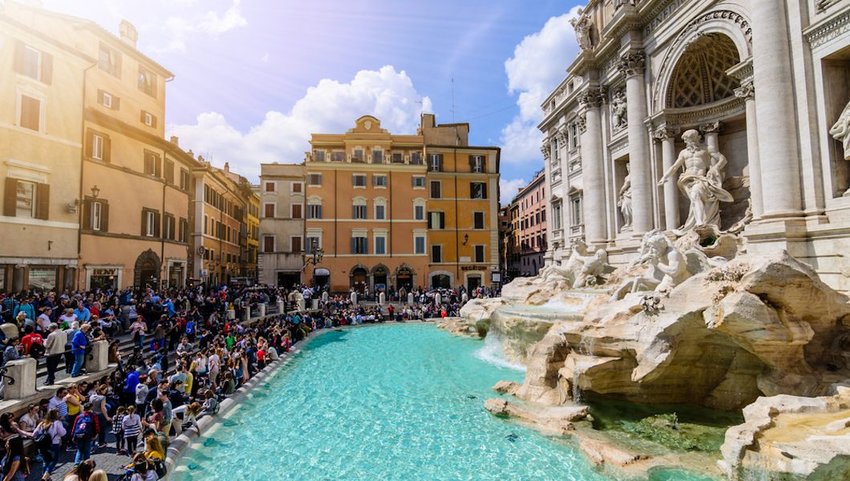
This tip is especially relevant for big cities with lots of tourist attractions. While
everyone else is rushing to the same museums, monuments, and restaurants, ask
a friendly local for advice on what to do next. If you feel odd walking up to a
stranger on the street, ask an employee from a nearby museum or shop about
where to eat or what their favorite sight is. These local recommendations will give
you more authentic travel experiences. This also helps avoid crowds and you’ll
likely save some money since most tourist attraction prices are inflated.
5. Store Closings at Lunchtime
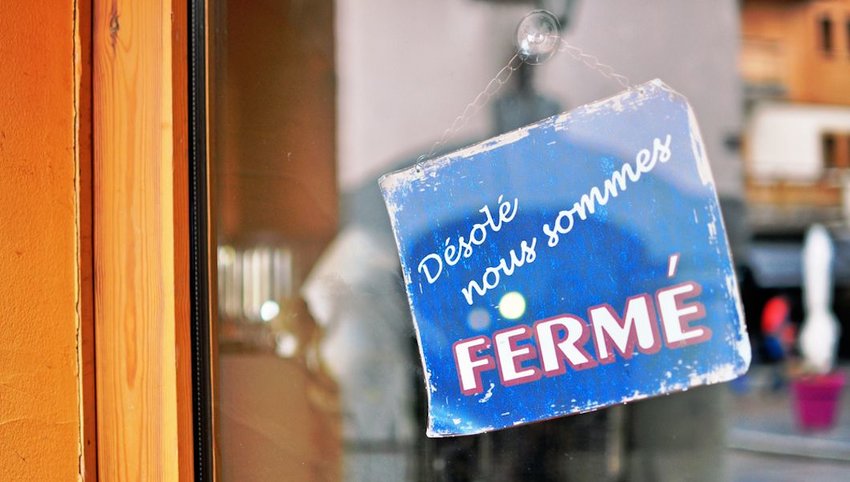
This tip is especially relevant if you’re traveling to a small or less popular European
city. Stores and restaurants might be closed during the afternoon to ensure
employees can have lunch and a nice break. This is especially common in Spain
where an afternoon siesta is a big part of the culture. Other countries have similar
routines such as Italy, Greece, France, and Cyprus. In countries like France,
the museums and shops close for lunchtime and the cafés and restaurants remain
open until late afternoon before closing a few hours before dinner. However,
in heavily-trafficked tourist areas, the entire city won’t shut down and you’re likely
to find something open. When in doubt, check the store or restaurant hours online
or give them a call before you head out to your destination.
6. The Paris Trap
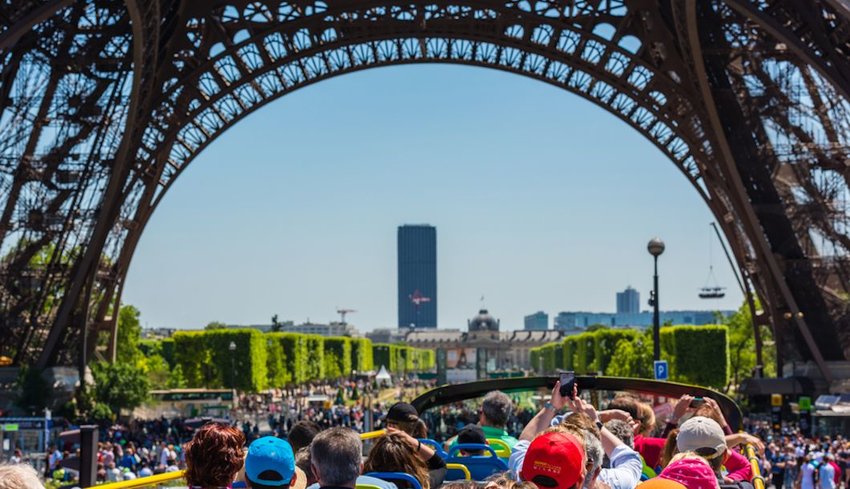
We would never tell you not to visit Paris, France, but it is one of the continent's top tourist
destinations. In fact, France is the most-visited country in the world. Going in with open eyes
and a clear plan to avoid crowds is not a bad idea.
There is much more to do in this wonderful city than wait in line for hours to climb the
Eiffel Tower. Save time and money by avoiding the typical tourist attractions and get off
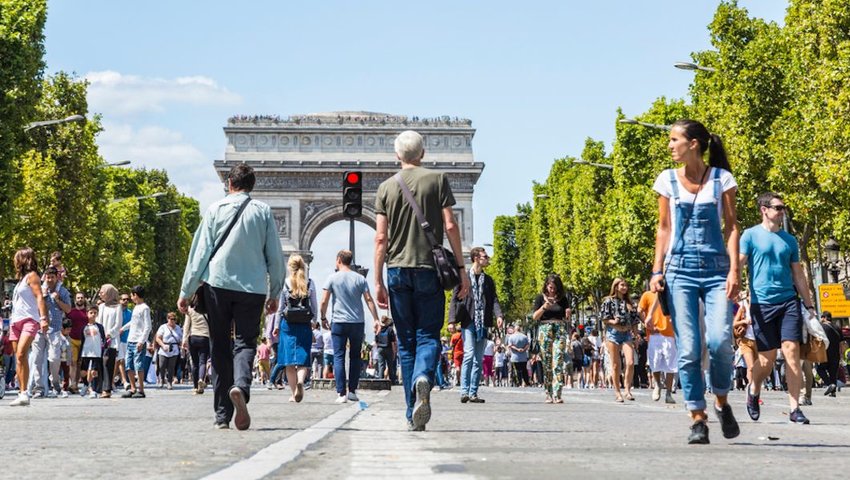
the beaten path. Instead of waiting in line at the Eiffel Tower, go to the terrace on the
Arc de Triomphe for panoramic views of the city with a shorter wait. If the crowds are too
much at the Mona Lisa Exhibit in the Louvre, don’t sweat it. Although beautiful, the painting
is quite small and hard to see in a large crowd. See other famous exhibits at the Louvre
instead or visit one of the many art and history museums in the city.
7. Cash Exchange Confusion
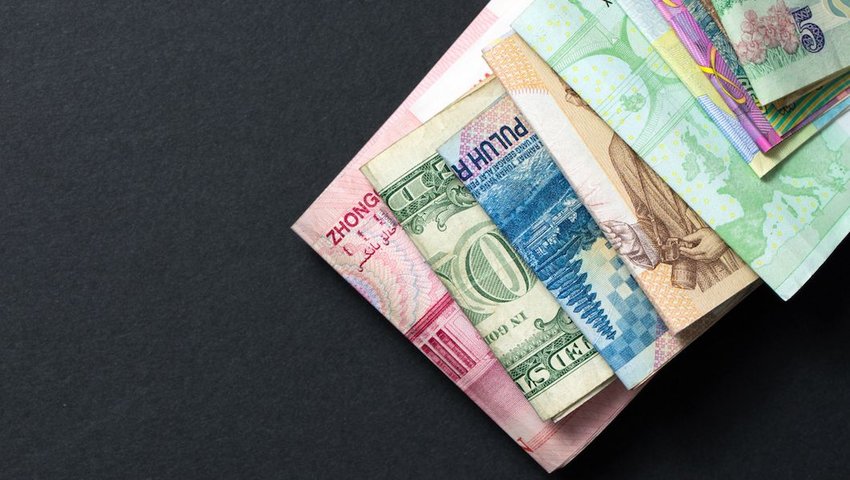
In general, exchanging cash when you arrive in Europe is better than doing so in the
U.S. as it lets you avoid higher exchange rates. Airports in Europe will have ATMs
for you to withdraw from when you land. However, using your credit card at an
ATM for local cash is typically expensive due to conversion fees that are tacked
on to your withdrawal cost. Still, it makes sense to keep a small amount of local
cash on you in case of an emergency.
For the most part, the cheapest way to pay for something will be to use your credit
card directly. This method typically has the lowest conversion rate. Check with your
credit card issuer before you leave for international fees. If you’re exchanging cash
before you go or traveling to multiple European countries, keep in mind that not all
countries use the euro. For example, Switzerland uses the Swiss franc.
8. Tourist Pricing in Venice
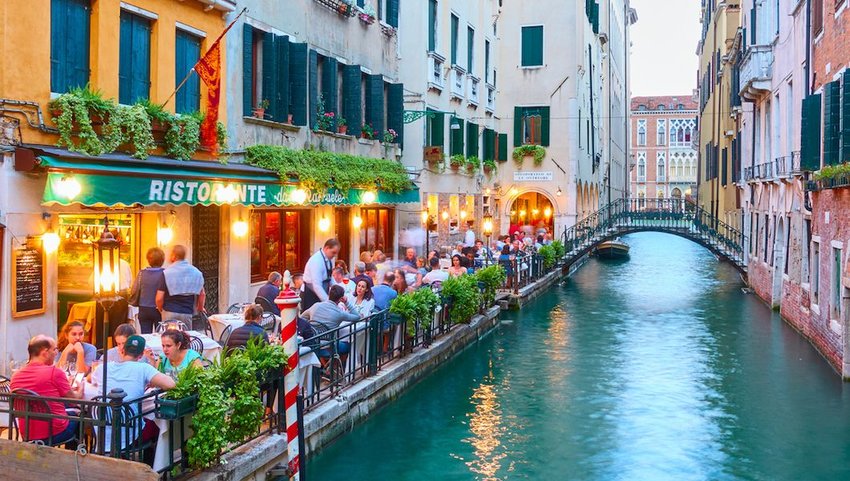
As tourists continue to flock to Venice, Italy, local restaurants and shops get away
with overcharging for food, services, and souvenirs. Try to research a restaurant
before you go in by reading reviews and prices, so that you're not shocked by your
bill. In a report from CNN Travel, tourists were unexpectedly charged $653 for a
light lunch for three people and another group was charged $1,366 for a dinner
for four. This isn't just a problem in Venice, though. You'll find plenty of restaurants
and hotels upping their prices, especially around major tourist attractions.
Ask a local for recommendations, use an online review site, or just go the extra
mile to get away from tourist traps so that you don’t fall into this costly trick.
9. Don’t Be Let Down by Local Etiquette
In the U.S., it's common to smile or have small talk with a stranger. In some
European countries, this is seen as unusual behavior and you might not get the
response you expected. Proper etiquettevaries across Europe. Some cultures are
overly-enthusiastic and others are more reserved. One common complaint from
tourists is that the French, particularly Parisians are unfriendly. But in reality, they're
just more physically reserved than other cultures and it's not normal for them to
greet everyone with a big smile.
Meanwhile,here is some News Condemning Trumps use of the Alien-Enemies Act


No comments:
Post a Comment